
Table of contents
Article Summary:
Choosing the right video surveillance system is critical for protecting your business. This article compares wireless and wired video surveillance solutions, highlighting the advantages and disadvantages of each. Learn how to select the best system for your property size, security needs, and budget, while understanding installation, maintenance, and integration considerations to maximize safety and efficiency.
Video surveillance is a critical component of modern business security. Choosing the right system can protect your assets, employees, and property while minimizing downtime and theft. Two common options are wired and wireless video surveillance systems. Each comes with its own advantages and limitations, making it essential to understand which solution best fits your business needs.
Understanding Wired Video Surveillance
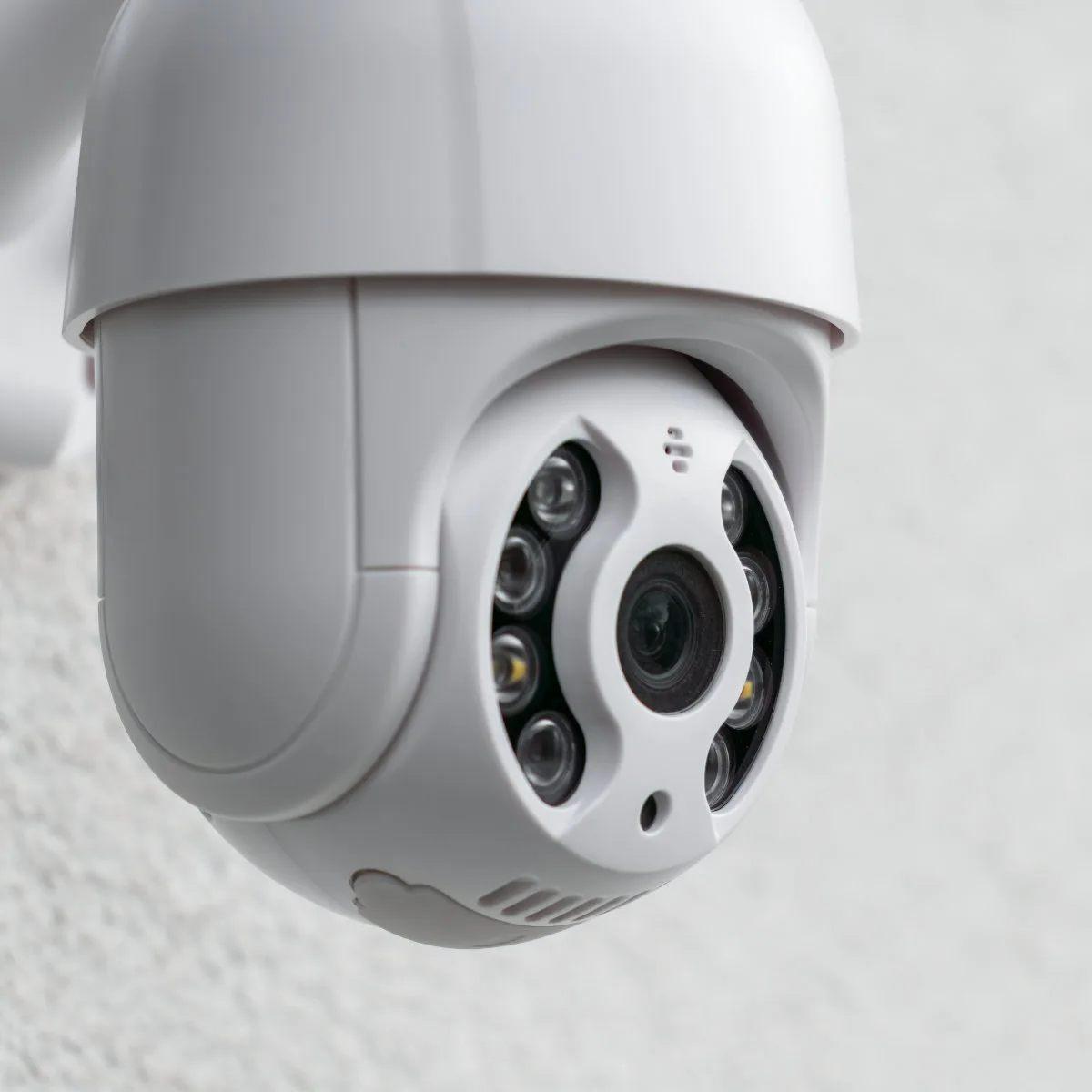
Wired video surveillance involves cameras connected via cables to a central recording system. This setup provides a stable and consistent signal, ensuring high-quality footage without interference. Wired systems are ideal for large facilities, industrial sites, or high-security areas where reliability and detailed video capture are priorities.
Pros of Wired Video Surveillance
- Reliable connectivity with minimal signal interference.
- Stable power supply ensures uninterrupted recording.
- Supports higher resolution cameras for detailed monitoring.
- Well-suited for large-scale, long-term security deployments.
Cons of Wired Video Surveillance
- Requires professional installation and cabling work.
- Limited flexibility if cameras need to be moved.
- Higher upfront installation costs compared to wireless systems.
Understanding Wireless Video Surveillance
Wireless systems transmit video signals over Wi-Fi or proprietary networks, reducing the need for extensive cabling. They offer flexible installation, easy relocation, and remote monitoring capabilities. Wireless systems are best suited for small offices, temporary setups, or locations where installing cables is difficult or disruptive.
Pros of Wireless Video Surveillance
- Quick and easy installation with minimal cabling.
- Flexible camera placement and easy relocation.
- Remote monitoring via apps or cloud services.
- Often lower initial installation costs.
Cons of Wireless Video Surveillance
- Dependent on Wi-Fi strength and network stability.
- Susceptible to signal interference or dropouts.
- Limited range compared to wired systems.
- Battery-powered cameras require regular maintenance.
Factors to Consider When Choosing Between Wired and Wireless
When deciding between wired and wireless video surveillance, consider your property size, layout, and security needs. Evaluate your budget, both for installation and ongoing maintenance. Think about scalability and integration with other security systems like alarms or access control.

Hybrid Systems: Combining Wired and Wireless Solutions
Hybrid setups combine wired and wireless cameras, providing flexibility, redundancy, and coverage for both indoor and outdoor areas. This approach allows businesses to optimize security while balancing installation costs and operational convenience.
Conclusion
Both wired and wireless video surveillance systems offer unique advantages for businesses. Wired systems provide reliability and high-quality footage for large or high-security locations, while wireless solutions deliver flexibility and easy remote access. Assess your security needs and property layout carefully, and consult a professional security provider to design a system tailored to your business.
Frequently Asked Questions
Consider property size, layout, security needs, budget, network stability, and integration with other security systems like alarms or access control when choosing between wired and wireless solutions.
Yes, hybrid systems combine wired and wireless cameras to provide flexibility, redundancy, and comprehensive coverage, optimizing security while balancing installation and operational costs.
Yes, many wireless cameras are weather-resistant and designed for outdoor monitoring. However, they rely on strong network signals and may require regular battery maintenance for optimal performance.
Wired systems are generally better for large properties because they offer reliable connectivity, uninterrupted power, and support high-resolution cameras, making them ideal for long-term, high-security setups.
Wired systems use cables to transmit video to a central recorder, offering stable, high-quality footage. Wireless systems transmit video over Wi-Fi or networks, providing flexible installation and remote access.