
Table of contents
Article Summary:
Understanding the differences between residential and commercial fire alarm systems is crucial for protecting lives and property. Residential systems focus on home safety with smoke, heat, and CO detection, while commercial systems offer 24/7 professional monitoring, compliance testing, and integration with access control and CCTV. This article explains how each type works, their key features, and why choosing the right system can reduce risks, ensure legal compliance, and minimize business downtime.
Fire alarm systems are essential for protecting lives, property, and operations. Whether you are a homeowner or a business owner, having the right fire detection system can make all the difference. Residential and commercial fire alarm systems share a common goal of early threat detection, but they differ in design, scale, and functionality. Understanding these differences ensures you select a system that meets your safety needs and regulatory requirements.
Understanding Residential Fire Alarm Systems
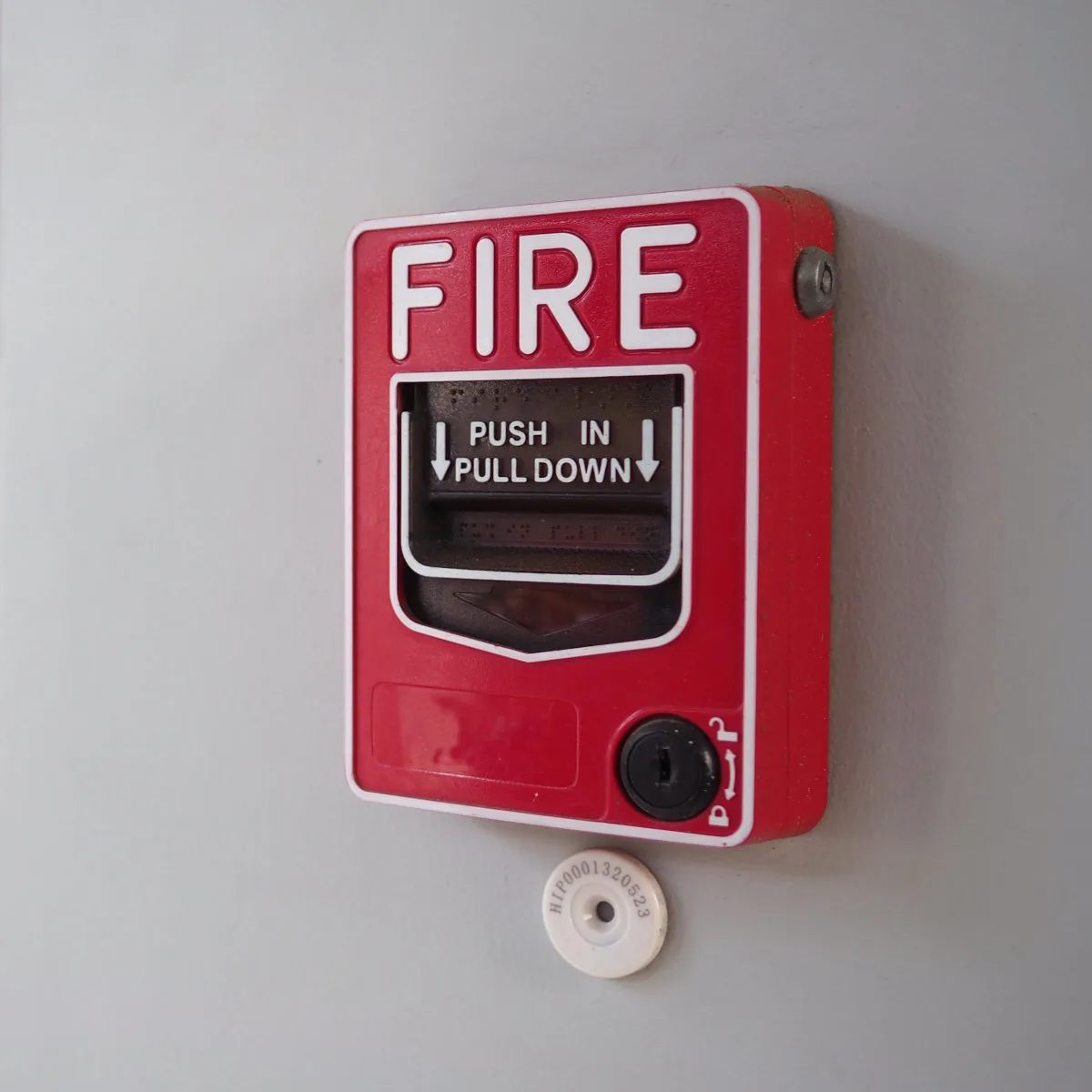
Residential fire alarm systems are designed to protect homes and small living spaces. These systems typically include smoke detectors, carbon monoxide (CO) detectors, and heat sensors. They can be battery-powered or hardwired and are often integrated with smart home apps for mobile notifications and alerts.
Homeowners benefit from early detection, which can prevent property damage and protect lives. Residential systems are generally easier to install and maintain, making them ideal for single-family homes or small apartments. Key features include audible alarms, mobile alerts, and simple monitoring options that provide peace of mind.
Understanding Commercial Fire Alarm Systems
Commercial fire alarm systems are built to protect businesses, large facilities, and multi-tenant properties. These systems are scalable and can integrate with building automation, access control, and security systems. Commercial setups include smoke and heat detectors, CO sensors, emergency lighting, and alarm panels that meet strict fire code compliance.
Professional 24/7 monitoring ensures that any detected threat triggers immediate verification and response. Regular inspections and compliance checks are required to meet legal obligations and maintain insurance coverage. Commercial systems are designed to protect employees, customers, inventory, and critical operations.
Key Differences Between Residential and Commercial Systems
Residential and commercial fire alarms differ in several important ways:
- System Size and Complexity: Commercial systems cover larger areas and may include multiple zones, while residential systems are simpler.
- Monitoring Requirements: Businesses often require professional monitoring and integration with emergency services; residential systems may rely on self-monitoring or smart alerts.
- Integration: Commercial systems integrate with access control, CCTV, and building management systems; residential systems usually operate independently.
- Compliance: Businesses must follow strict codes and inspection schedules, whereas homes have minimal regulatory requirements.
Cost: Commercial systems are generally more expensive due to scale and complexity but offer higher protection and regulatory compliance.
Choosing the Right System for Your Property
Selecting the right fire alarm system depends on your property’s size, occupancy, risk factors, and operational needs. Consulting with professional fire alarm providers ensures you receive a system tailored to your requirements. For businesses, integrating a commercial fire alarm system with existing security solutions enhances safety and minimizes downtime during emergencies. For homeowners, a residential fire alarm system offers simple, reliable protection for family and property.

Conclusion
Understanding the differences between residential and commercial fire alarm systems is crucial for protecting lives and property. Each system is designed to meet specific safety, monitoring, and compliance requirements. Whether you need a home system or a fully integrated commercial solution, professional installation and monitoring ensure reliable performance when it matters most.
Protect your property with the right fire alarm system for your needs. Contact Axon Systems today to schedule a consultation and receive expert guidance on residential or commercial fire alarm installation and monitoring.
Frequently Asked Questions
Yes, early detection and 24/7 monitoring minimize damage, enable faster emergency response, and allow businesses to resume operations more quickly after an incident.
Yes, commercial fire alarms can integrate with access control, CCTV, and intrusion detection systems. Integration allows coordinated alerts, enhanced monitoring, and improved response during emergencies.
Commercial systems typically require inspections and testing every 60 days or according to local regulations. This includes checking detectors, alarm panels, power supplies, and notification systems to ensure the system functions correctly.
While professional installation is recommended for optimal performance, many residential fire alarms can be installed by homeowners. Integration with mobile apps or smart home systems is optional but enhances monitoring capabilities.
Yes, most commercial systems are monitored 24/7 by certified monitoring centers. This ensures fast verification of alarms and immediate coordination with emergency responders, reducing risk and business downtime.
Residential fire alarms are designed for homes and small living spaces, usually with smoke, heat, and CO detectors, often integrated with mobile alerts. Commercial systems cover larger areas, integrate with access control and CCTV, and meet strict compliance and monitoring requirements.