
Table of contents
Article Summary
Regular fire alarm compliance testing is essential for businesses to ensure safety, meet local codes, and maintain ULC certification. This process verifies that all detectors, panels, and alarm systems function correctly, minimizing risks, reducing liability, and supporting reliable emergency response.
Regular compliance testing of fire alarm systems is essential for both commercial and residential properties. Fire alarms are a critical safety measure, designed to detect smoke, heat, or carbon monoxide and trigger timely alerts. However, even the most advanced systems are only effective when they function properly. Compliance testing ensures your fire alarms meet safety standards, adhere to local codes, and provide reliable protection when it matters most.
Understanding Fire Alarm Compliance
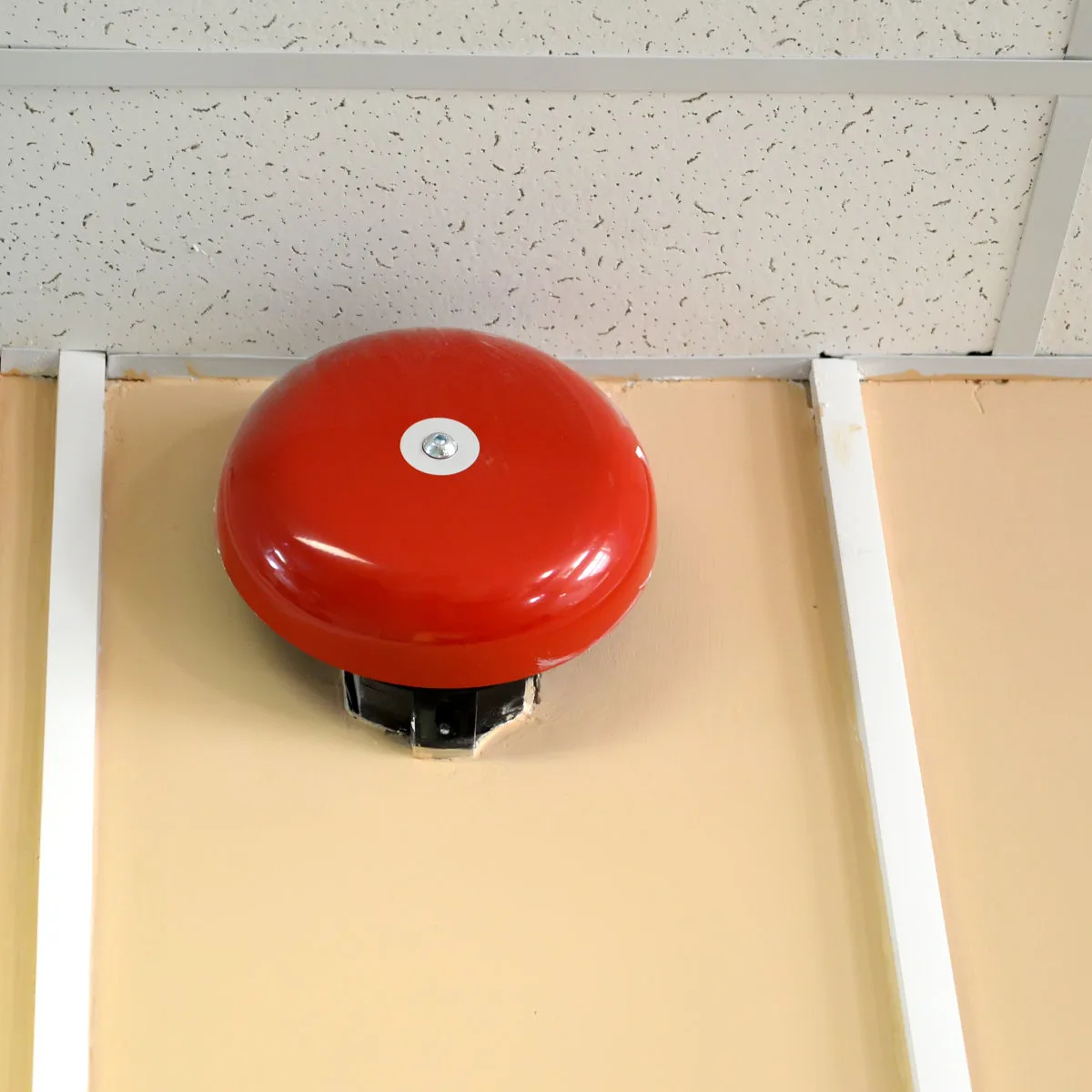
Fire alarm compliance involves meeting a combination of local regulations, safety standards, and certification requirements. In Canada, ULC (Underwriters Laboratories of Canada) certification is a key indicator that fire alarm systems have been tested and meet rigorous safety criteria. Compliance ensures your system operates reliably, reduces liability in the event of a fire, and protects both property and occupants. Businesses that neglect compliance risk fines, insurance issues, and safety hazards.
Key Components of Fire Alarm Compliance Testing
Proper compliance testing is more than a simple system check. It involves several critical steps to verify full functionality:
- Detector Functionality Testing: Smoke, heat, and CO detectors are tested to ensure they respond to fire conditions promptly.
- Panel Diagnostics and Alarm Verification: Control panels are checked for proper operation, signal transmission, and alarm accuracy.
- Power Supply and Battery Checks: Backup power systems are tested to maintain system operation during outages.
- Reporting and Documentation: Detailed inspection reports are generated for compliance records and regulatory verification.
These steps ensure that all components of a fire alarm system work together seamlessly, offering maximum protection and regulatory compliance.
Frequency of Compliance Testing
Fire alarm compliance testing is typically required every 60 days for commercial systems, though local regulations may vary. Residential systems may require less frequent inspections, but regular checks are still recommended to guarantee safety. Skipping inspections can result in undetected system failures, delayed emergency response, and higher risk of property damage or injury.
Benefits of Regular Compliance Testing
There are multiple advantages to scheduling regular compliance testing for your fire alarms:
- Early Detection of Faults: Testing identifies malfunctioning detectors, wiring issues, or panel errors before they become critical.
- Reliable Emergency Response: Ensures your monitored alarm system communicates effectively with emergency services in case of a fire.
- Reduced Liability and Insurance Risk: Compliance helps satisfy insurance requirements and minimizes legal exposure in the event of an incident.
- Business Continuity and Safety: Functional systems reduce downtime and protect employees, customers, and property.
Regular compliance testing not only keeps your system operational but also reinforces confidence that your fire protection measures are reliable.
Integration with Overall Safety Systems
Fire alarm compliance testing is most effective when integrated with other safety systems. Many businesses combine fire alarm monitoring with access control, video surveillance, and intrusion detection. Integration allows for automated alerts, remote monitoring, and real-time response. For example, if a fire alarm triggers during testing, the system can simulate alerts, verifying that the signal reaches monitoring centers and emergency responders.

Choosing a Professional Compliance Testing Provider
Hiring a qualified, licensed provider ensures that compliance testing is thorough and accurate. Look for technicians who are ULC-certified, experienced in commercial and residential fire alarm systems, and familiar with local regulations. Professional testing not only ensures adherence to safety codes but can also identify potential system upgrades, improving reliability and reducing future maintenance costs.
Conclusion
Compliance testing is a critical step in maintaining a safe environment and protecting both people and property. From verifying detector functionality to ensuring accurate alarm notifications and meeting regulatory standards, testing ensures fire alarms operate when they are needed most. For businesses and homeowners alike, partnering with a professional service provider for regular compliance testing is an investment in safety, reliability, and peace of mind.
Protect your property and occupants by scheduling a compliance test today. Regular inspections and adherence to ULC and local safety standards help you avoid downtime, minimize risk, and ensure your fire alarm system performs flawlessly in an emergency.
Frequently Asked Questions
Testing should be performed by licensed and ULC-certified professionals experienced with residential and commercial fire alarm systems, ensuring full adherence to safety standards and local regulations.
Yes, professional compliance testing can reveal outdated components, system inefficiencies, or integration opportunities, helping businesses maintain optimal fire safety and reduce future maintenance costs.
Compliance testing minimizes liability, ensures early detection of faults, supports emergency response, and helps satisfy insurance requirements, protecting employees, customers, and property.
Testing includes detector functionality checks, panel diagnostics, battery and power supply verification, alarm reporting tests, and documentation for compliance records.
Commercial fire alarm systems typically require testing every 60 days, while residential systems may follow manufacturer recommendations or local regulations. Regular testing ensures reliable performance.
Fire alarm compliance testing is a systematic inspection and verification process to ensure fire alarm systems function properly, meet ULC certification, and comply with local safety codes.